Featured
Little Known Facts About Legal Aspects in Bankruptcy Proc...
Unknown Facts About Staying Safe from Using Credit Counse...
The 6-Second Trick For Innovation Is Making Debt Relief E...

The 6-Second Trick For Innovation Is Making Debt Relief Easier
Table of Contents
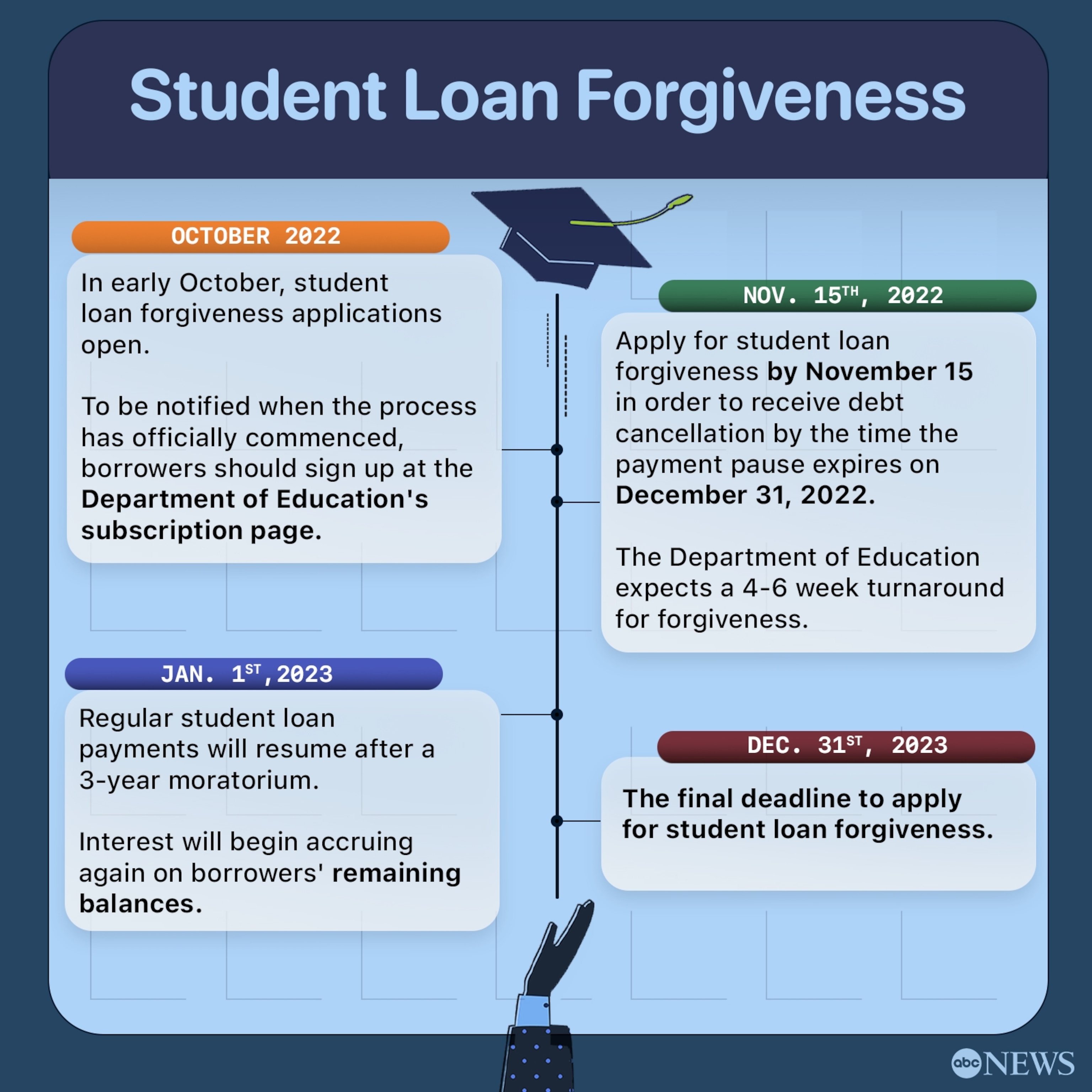
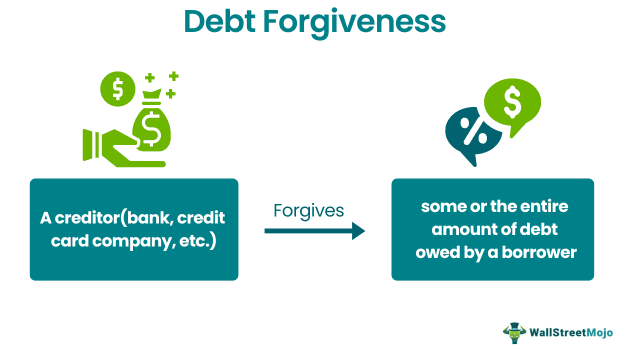
That releases up cash in the short-term, and you may have 3 to four years to save toward the negotiation quantity. Very dangerous to credit history, primarily because of missed out on settlements and an adverse "worked out" mark that could remain on your credit history record for approximately seven yearsMay be just alternative if other alternatives (financial obligation consolidation, balance transfer bank card, financial obligation mercy) aren't possibleTypically needs a cost to the 3rd party, which might offset some or every one of the cost savings from debt settlementMay help you prevent insolvency if you have actually missed several paymentsNot all lenders deal with debt negotiation firms Debt forgiveness might be right for you if you are experiencing an economic hardship that makes it virtually impossible to pay for your financial obligation balances.
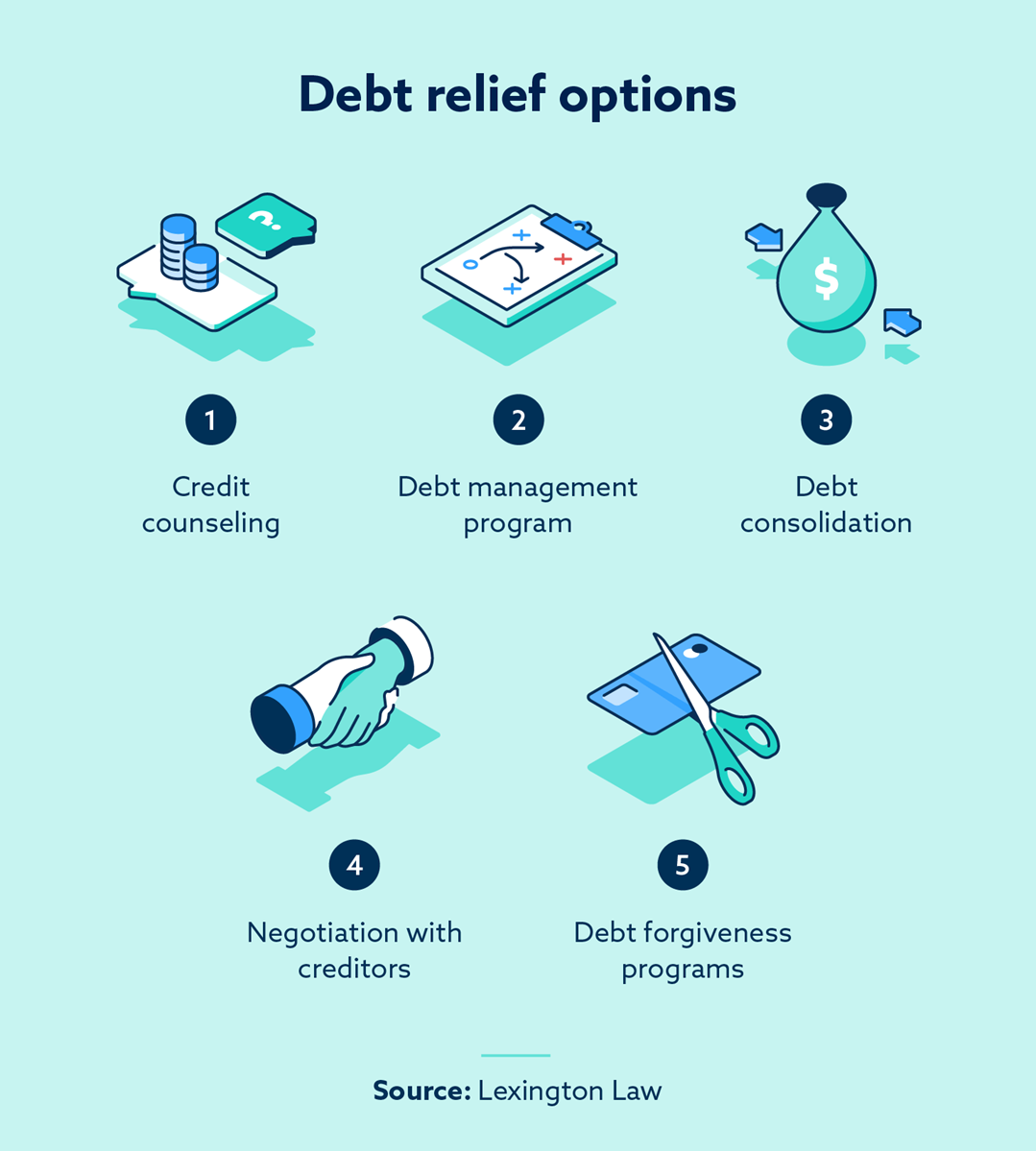
With a DMP, you make one monthly repayment to the credit therapy firm. Those funds are then dispersed to financial institutions of your unprotected financial debts, such as credit history cards and installment financings. The firm deals with your lenders to decrease rates of interest or forgo charges, but some financial institutions may refuse such concessions.
A financial obligation consolidation financing combines your qualified financial debts right into one brand-new lending. It can aid you pay for financial obligation if you have the ability to protect a finance rate that's less than the typical price of the accounts you're consolidating. You have to avoid from racking up debt on those newly cleared accounts or your debt can expand even greater.
These cards typically use a 0% interest initial period of approximately 21 months. That provides you plenty of time to eliminate or substantially decrease your balance while making interest-free payments. For some individuals dealing with overwhelming debt, insolvency might be the only means to stop collection proceedings and legitimately solve their financial debts.
All about Local Resources That Offer Specialty Counseling Services : APFSC Tailored Financial Support
You might need it if your financial institution or a collection company ever before tries to gather on the debt in the future. When a lending institution forgives $600 or more, they are needed to send you Type 1099-C.
Financial debt mercy or negotiation often injures your credit. Anytime you work out a financial obligation for less than you owe, it may appear as "cleared up" on your credit score record and influence your credit rating for seven years from the date of negotiation. Your credit score can additionally go down substantially in the months causing the forgiveness if you drop behind on repayments.
Not known Incorrect Statements About What to Watch For When Choosing a Bankruptcy Provider
Tax financial debt compromise programs Tax financial obligation happens when the quantity of taxes you owe surpasses what you have paid. This scenario usually arises from underreporting revenue, not filing returns promptly, or discrepancies discovered during an IRS audit. The consequences of accumulating tax obligation financial obligation are severe and can include tax obligation liens, which offer the internal revenue service a lawful claim to your building as safety for the debt.
Higher rates of interest on offered credit. Incomes and Financial institution Accounts internal revenue service can impose (take) incomes and bank accounts to satisfy the financial debt. Decreased revenue and interruption of crucial monetary procedures. Property Seizure In severe instances, the IRS can take and sell building to cover the financial debt. Loss of beneficial assets and possible displacement.
Clinical depression, anxiousness, and other mental wellness issues. Social Stigma Facing legal action from the internal revenue service can carry social stigma. Damages to track record and partnerships. Employment Opportunities A poor credit rating score as a result of exhaust debt can restrict job opportunity. Trouble searching for or keeping a job. Federal government Advantages Tax debt might influence eligibility for government benefits, such as Social Security and Medicaid.
3 Easy Facts About True Testimonials of Families Who Achieved Relief Explained
The OIC thinks about several aspects, including the taxpayer's revenue, costs, asset equity, and ability to pay. Successfully discussing an OIC can be complicated, calling for a detailed understanding of the internal revenue service's standards and a strong debate for why your deal straightens with your ability to pay. It is very important to note that not all applications are approved, and the procedure requires in-depth economic disclosure.
The internal revenue service examines your total economic situation, including your earnings, costs, possession equity, and capability to pay. You have to additionally be current with all filing and settlement needs and not remain in an open bankruptcy case. The internal revenue service also considers your compliance background, reviewing whether you have a record of timely declaring and paying tax obligations in previous years.
Prevalent Myths Surrounding Debt Forgiveness for Dummies
The application procedure for a Deal in Concession involves a number of detailed actions. Initially, you have to complete and send internal revenue service Type 656, the Deal in Concession application, and Kind 433-A (OIC), a collection details declaration for individuals. These kinds call for thorough economic details, consisting of details about your earnings, debts, costs, and properties.
Back tax obligations, which are unsettled tax obligations from previous years, can significantly increase your complete internal revenue service financial debt if not addressed without delay. This financial obligation can accumulate interest and late settlement penalties, making the original quantity owed a lot bigger over time. Failure to repay taxes can lead to the IRS taking enforcement actions, such as issuing a tax lien or levy against your property.
It is necessary to attend to back taxes asap, either by paying the sum total owed or by arranging a layaway plan with the internal revenue service. By taking proactive steps, you can avoid the accumulation of added interest and charges, and prevent a lot more hostile collection actions by the internal revenue service.
One usual factor is the idea that the taxpayer can pay the total either as a lump amount or with a payment strategy. The internal revenue service likewise takes into consideration the taxpayer's income, expenses, possession equity, and future earning potential. If these elements indicate that the taxpayer can manage to pay even more than the supplied quantity, the IRS is most likely to deny the offer.
The Basic Principles Of Legal Changes Influencing Bankruptcy Options
It is crucial to offer precise and complete information in your application and to seek advice from a tax expert to improve the possibilities of approval. Dealing with IRS debt can be complex and challenging. Tax obligation professionals, such as Certified public accountants, tax lawyers, or signed up agents, can provide vital support. They have the know-how to browse the ins and outs of tax regulation and IRS procedures.

Table of Contents
Latest Posts
Little Known Facts About Legal Aspects in Bankruptcy Proceedings.

Unknown Facts About Staying Safe from Using Credit Counseling Before You Commit to a Debt Management or Forgiveness Program Fraud
The Main Principles Of Digital Tools Makes Importance of Financial Literacy for Better Management : APFSC More Accessible
More
Latest Posts
Little Known Facts About Legal Aspects in Bankruptcy Proceedings.
The Main Principles Of Digital Tools Makes Importance of Financial Literacy for Better Management : APFSC More Accessible